Have you ever wondered how to improve your gut microbiome diversity and why it matters so much? You’ve probably heard the buzz around probiotics and prebiotics, but what does that actually mean for your daily routine?
After years of experimenting with different diets, I’ve discovered the key to boosting my gut health—and it’s easier than you think.
Let me share how small changes to your food choices can drastically improve your gut microbiome diversity, leading to better digestion, a stronger immune system, and overall well-being.
What Is Microbiome Diversity and Why Does It Matter?
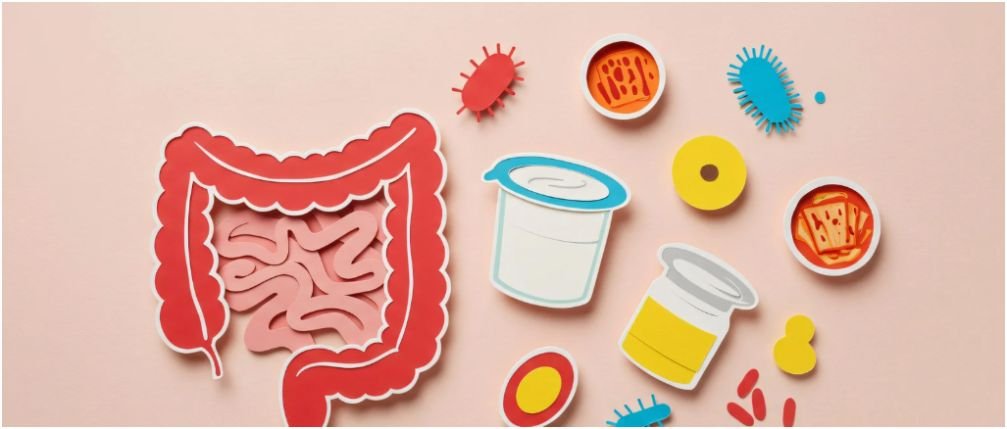
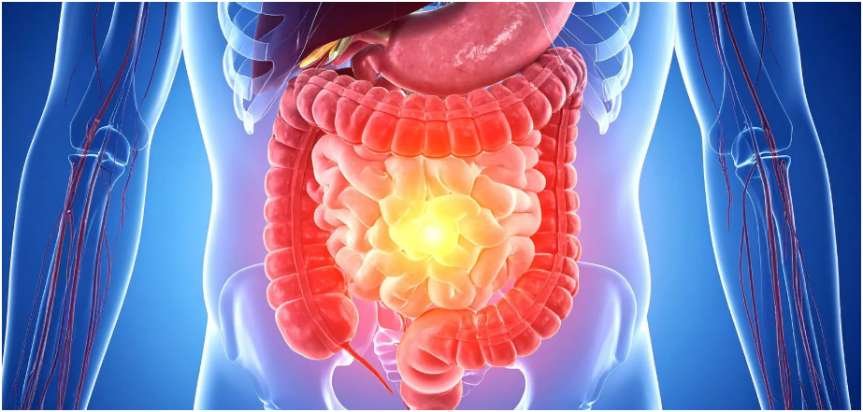
The gut microbiome is home to trillions of bacteria, fungi, and other microbes that help with digestion and immune function. The more diverse your microbiome is, the better it can support your body’s needs.
A more diverse microbiome is linked to a stronger immune system, better digestion, and even improved mental health. The trick to increasing microbiome diversity? It all starts with the right foods.
What Foods Help Improve Gut Microbiome Diversity?
How Do Fermented Foods Boost Gut Health?
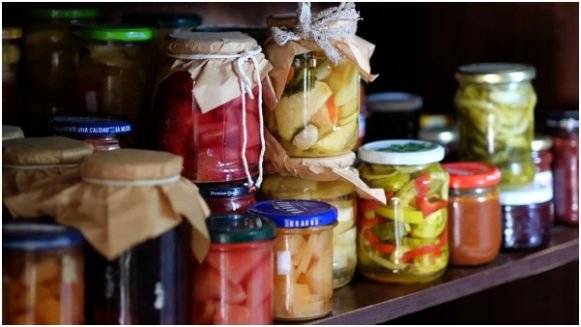
If there’s one group of foods that’s been consistently praised for gut health, it’s fermented foods. These powerhouse foods are packed with live bacteria that can directly increase microbial diversity in your gut.
I’ve found that incorporating a variety of fermented foods into my diet has been one of the easiest and most effective ways to keep my gut happy.
Fermented foods include:
- Yogurt (with live cultures)
- Kefir
- Kimchi
- Sauerkraut
- Miso
- Tempeh
These foods introduce beneficial bacteria that help balance out harmful microbes. If you’re new to fermented foods, start with small amounts, like a spoonful of yogurt or a few slices of kimchi, and gradually increase your intake. This gives your gut time to adjust without overwhelming it.
What About Fiber-Rich Plants?
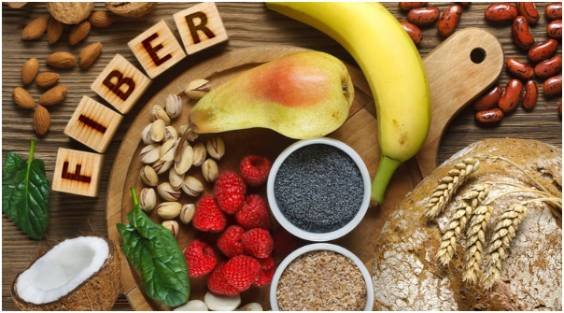
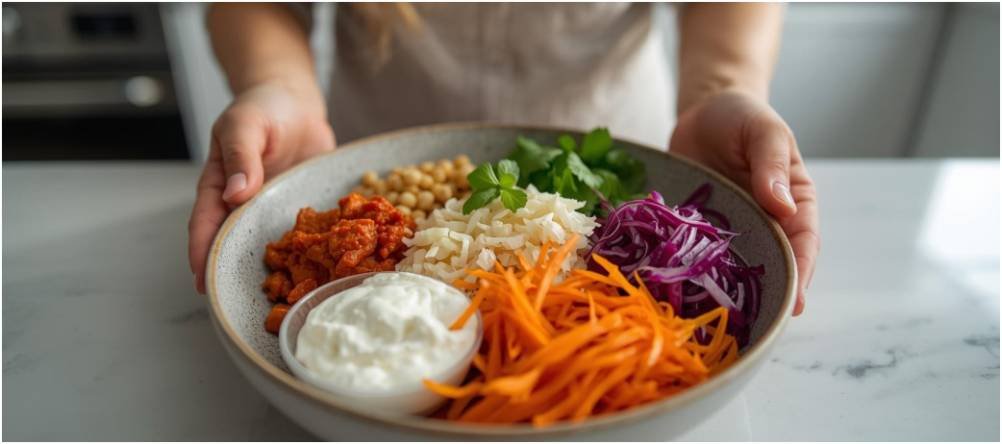
Fiber is the food your good gut bacteria thrive on. Known as prebiotics, fiber-rich foods act as fuel for the healthy microbes in your gut. I make sure to include a wide variety of fiber-rich plants every day to support the diversity of my gut microbiome.
Here are some of my go-to fiber-rich foods:
- Vegetables: Asparagus, broccoli, garlic, onions, and leafy greens
- Fruits: Bananas, apples, pears, and berries
- Whole Grains: Oats, quinoa, brown rice, and barley
- Legumes: Lentils, chickpeas, and black beans
I try to aim for at least 30 different types of plants each week—yes, 30! It sounds like a lot, but it’s easier to hit that number than you might think. A simple smoothie with berries, chia seeds, and spinach can give you a boost, or toss extra veggies into a salad or soup.
Polyphenols: The Gut-Boosting Antioxidants You Need
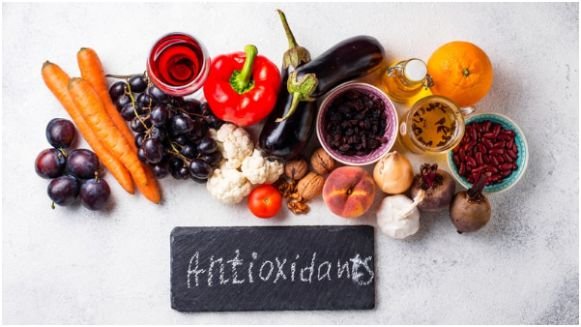
You might not hear as much about polyphenol-rich foods, but these plant compounds play an important role in promoting gut health. Polyphenols can support the growth of beneficial bacteria while inhibiting the bad ones.
I’ve found that adding polyphenol-rich foods to my daily routine has significantly improved my digestion and energy levels.
Polyphenol-rich foods to include:
- Green tea (I love starting my day with it)
- Dark chocolate (yes, you can indulge and still support gut health)
- Olive oil (used in cooking and as a dressing)
- Red grapes and other colorful fruits
I make sure to incorporate a few of these foods into my meals each day. A square of dark chocolate after dinner or a drizzle of olive oil over a fresh salad can add a boost of antioxidants to your routine.
How to Boost Your Gut Health: A Simple, Step-by-Step Guide

Step 1: Start with One New Food
You don’t need to overhaul your entire diet overnight. I suggest picking one new food to add each week. Whether it’s a fermented food, like kefir, or a fiber-packed vegetable, the goal is to gradually introduce new foods to your meals.
Tip: Start by adding fermented foods during meals you already enjoy. For instance, I love adding sauerkraut to sandwiches or pairing yogurt with fruit for breakfast.
Step 2: Make Fiber Your Friend
Increase fiber intake by incorporating more vegetables, fruits, and whole grains into your meals. If you’re not used to eating a lot of fiber, start slowly. Adding a serving of vegetables to each meal can make a big difference. I try to fill half of my plate with veggies during lunch and dinner.
Tip: Try roasting veggies with olive oil and herbs or blending them into soups for an easy way to get more fiber without much effort.
Step 3: Add a Polyphenol-Rich Snack
You don’t have to wait for your meals to boost your microbiome. I’ve found that snacking on polyphenol-rich foods like grapes or a handful of almonds has been a great way to keep my gut in check throughout the day.
Tip: Keep a stash of nuts, dark chocolate, or fresh fruit in your pantry or fridge for easy access to polyphenols.
Step 4: Hydrate, Hydrate, Hydrate
Drinking plenty of water is essential for overall health, and it’s no different for your microbiome. Hydration helps flush out toxins and ensures your digestive system is running smoothly. Aim to drink at least eight glasses of water a day—this is one habit that has truly helped my gut feel balanced.
FAQ: Your Gut Health Questions, Answered
1. How Do I Know If My Gut Health Is Improving?
Improving gut health doesn’t always happen overnight, but there are a few signs to look for. You may notice better digestion, more energy, and even improved skin. For me, I started noticing less bloating and a more regular digestive pattern once I started adding more fermented foods and fiber.
2. Can I Get Too Much Fiber?
While fiber is great for gut health, too much too quickly can lead to bloating or discomfort. If you’re new to fiber, take it slow and gradually increase your intake. It’s important to listen to your body and adjust as needed.
3. What’s the Best Way to Incorporate Fermented Foods Into My Diet?
Start by adding small portions of fermented foods to your meals. I recommend trying a spoonful of kimchi or sauerkraut with lunch or adding kefir to your smoothies. Over time, you can gradually increase your portions as your body adjusts.
Wrapping Up: Your Gut Health Journey Starts Today
Ready to start boosting your gut health? The good news is that it doesn’t have to be complicated.
By incorporating more fermented foods, fiber-rich plants, and polyphenol-packed snacks into your daily routine, you’ll be on your way to a more diverse and healthier microbiome.
Take it one step at a time, and remember—it’s all about consistency. Small, daily changes can lead to big results over time.
Here’s my tip: Don’t stress about perfection. Even adding one new gut-healthy habit each week will make a difference. Your gut will thank you.