

I still see people assume that stop asian hate was a moment that passed. For me, it never worked that way. It became part of how I pay attention, how I show up in public spaces, and how I respond when silence feels easier than speaking. This movement changed the way I think about safety, solidarity, and everyday responsibility.
I don’t approach this as an activist on a stage. I approach it as someone living a normal routine who refuses to ignore what’s happening around me. From how I consume news to how I step in when something feels off, this movement reshaped my daily habits in quiet but lasting ways.
Why Did the Stop Asian Hate Movement Gain So Much Momentum?
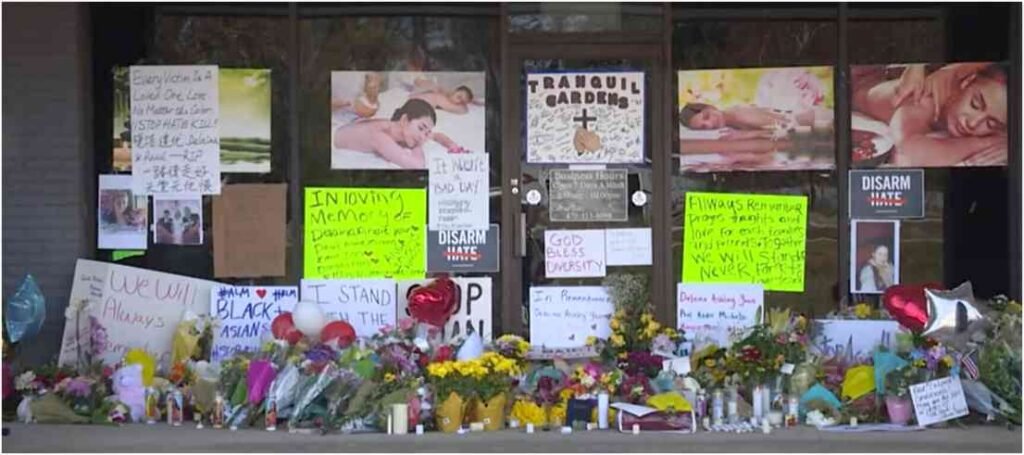
The surge of attention around stop asian hate didn’t happen randomly. I remember how quickly stories started stacking up during the COVID-19 pandemic. Fear turned into blame, and blame turned into violence. That pattern felt familiar, but the scale felt different.
High-profile cases shook people awake. The killing of Vicha Ratanapakdee and the 2021 Atlanta spa shootings forced many of us to confront something we could no longer dismiss as isolated incidents. These weren’t rare events. They reflected a broader climate of hostility that had been simmering for years.
What changed in 2021 was visibility. Social media amplified voices that had long been ignored. Data replaced denial. Communities organized instead of absorbing harm quietly.
What Does Stop Asian Hate Actually Do Beyond Hashtags?
I used to think movements lived mostly online. That assumption disappeared once I learned how Stop AAPI Hate operates. This coalition doesn’t just protest. It documents reality.
Founded by the Asian Pacific Policy and Planning Council, Chinese for Affirmative Action, and San Francisco State University’s Asian American Studies Department, Stop AAPI Hate runs the largest reporting center for anti-Asian hate incidents in the U.S. People report verbal harassment, physical attacks, and civil rights violations in real time.
That data fuels policy change. Advocacy helped push the COVID-19 Hate Crimes Act into law. Education initiatives now challenge myths like the “model minority” narrative that quietly harms entire communities. This work feels unglamorous, but it creates lasting impact.
What Does the Stop Asian Hate Movement Look Like in 2025?

I wish I could say the numbers dropped sharply. They didn’t. Federal and community data released through late 2025 show anti-Asian hate incidents remain nearly three times higher than pre-pandemic levels.
What changed is the conversation. Organizations now track how political rhetoric affects international students, immigrants, and Pacific Islander communities. Visa uncertainty, racial profiling, and policy shifts create fear that doesn’t always show up in headlines but shows up in daily life.
The movement adapted. It now blends reporting, legal advocacy, education reform, and community safety programs. It stopped chasing virality and started building infrastructure. That shift matters.
How Has Stop Asian Hate Changed My Everyday Awareness?
This movement changed my habits more than my opinions. I pay closer attention in public spaces. I trust my instincts when something feels wrong. I don’t scroll past stories assuming someone else will handle it.
I also stopped assuming that silence equals neutrality. Silence often signals comfort with the status quo. That realization pushed me to learn basic bystander intervention skills and support organizations doing long-term work rather than one-time campaigns.
Even small actions matter. Sharing verified data. Correcting stereotypes in casual conversations. Supporting AAPI-inclusive education policies locally. These things feel manageable, not performative.
How to Support Stop Asian Hate in Real, Practical Ways

Supporting stop asian hate doesn’t require grand gestures. I focus on consistency instead of intensity.
First, reporting matters. When people report incidents through Stop AAPI Hate, the data strengthens advocacy efforts and policy demands. Numbers force institutions to respond.
Second, education matters. Supporting curriculum changes that include AAPI history helps break stereotypes before they calcify.
Third, community support matters. Donations, volunteering, or even amplifying credible organizations like Asian Americans Advancing Justice or National Asian Pacific American Women’s Forum keeps this work sustainable.
How Can You Step In Safely When You Witness Harassment?

A Practical, Step-by-Step Approach
I didn’t grow up knowing how to intervene. I learned through training programs like Right To Be, and the skills feel surprisingly usable in real life.
First, I assess safety. I don’t escalate situations that feel physically dangerous. Distance and awareness come first.
Second, I distract when possible. Simple actions like starting a neutral conversation or asking for directions can defuse tension without confrontation.
Third, I document if the person targeted wants support. Recording details or staying nearby can make someone feel less alone.
Finally, I check in afterward. A quiet “Are you okay?” often matters more than anything dramatic.
What Progress Has Stop Asian Hate Actually Achieved?
Progress looks uneven, but it’s real. Hate crime awareness increased. Reporting systems improved. Several states now require AAPI history in schools. Community safety programs expanded in neighborhoods that once felt abandoned.
The biggest shift feels cultural. People now recognize anti-Asian racism as systemic, not anecdotal. That understanding changes how policies get written and enforced.
I don’t expect overnight solutions. I do expect continued pressure, accountability, and education.
FAQ: Real Questions People Still Ask
1. Is stop asian hate still relevant in 2025?
Absolutely. Hate incident data shows rates remain far above pre-pandemic levels. The movement evolved from emergency response to long-term advocacy, focusing on education, policy, and community safety. It didn’t fade. It matured.
2. How can someone support the movement without being AAPI?
Support doesn’t require identity alignment. Reporting incidents, donating to advocacy groups, supporting inclusive education policies, and learning bystander intervention skills all help. Consistency matters more than visibility.
3. Does reporting hate incidents actually lead to change?
Yes. Data drives legislation, funding, and public accountability. Reports helped support laws like the COVID-19 Hate Crimes Act and continue shaping education and safety initiatives nationwide.
4. What if I’m afraid to intervene in public?
Fear is normal. Bystander intervention training teaches non-confrontational methods like distraction, documentation, and delayed support. You don’t need to be loud to be effective.
Still Here, Still Paying Attention (And That Matters)
I don’t treat stop asian hate as a trend or a phase. I treat it like a habit—something I practice through awareness, action, and accountability. Movements survive when people stop waiting for perfect moments and start doing imperfect, consistent things.
If there’s one thing I’ve learned, it’s this: attention is a form of care. And choosing to pay attention, even on ordinary days, keeps change alive.
Disclaimer: All images used in this blog are for editorial and informational purposes only. The visuals are either AI-generated or sourced from11Alive. They do not represent actual events or endorse any specific brands or individuals. All trademarks, logos, and copyrighted materials belong to their respective owners.