
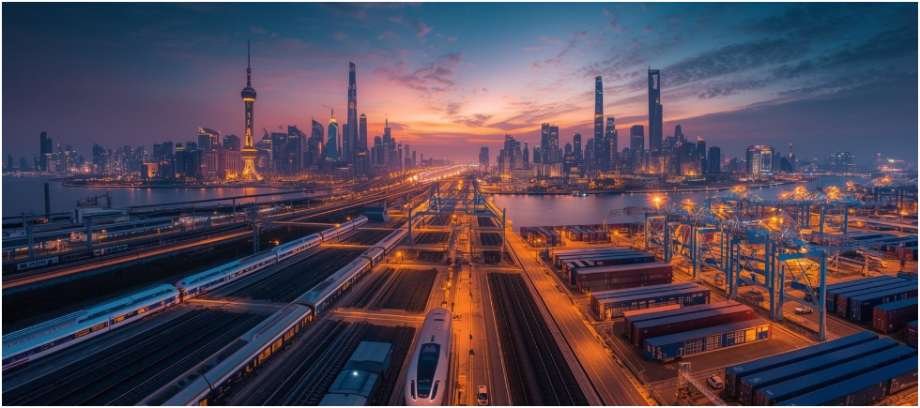
When I think about the rise of china, I don’t frame it as a distant geopolitical theory. I see it in everyday life—phones, electric vehicles, online shopping, renewable energy, and even the speed at which global news cycles move.
China’s shift from a poor agrarian society in the late 1970s to a global economic, technological, and military heavyweight by 2025 didn’t happen overnight. It happened through steady habits, long-term planning, and an almost obsessive focus on scale.
Understanding the rise of china helps me make sense of why the world economy feels different today—and why it will keep changing.
How did the rise of china begin after the late 1970s?
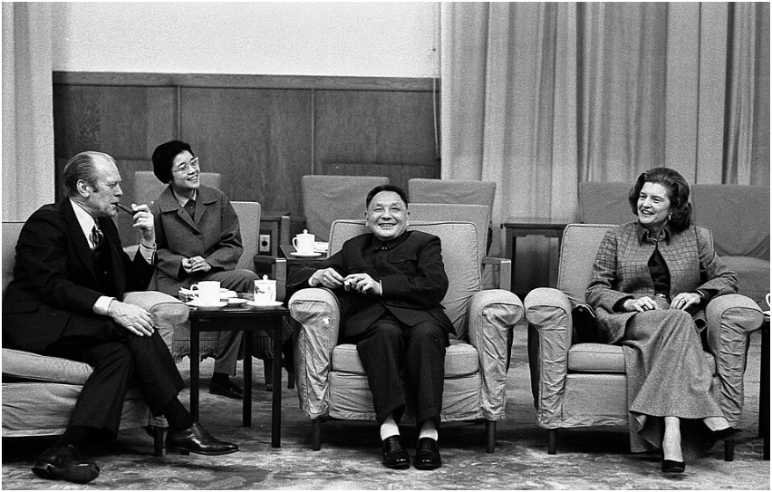
The modern rise of china started with a quiet but powerful reset. After the death of Mao Zedong, Deng Xiaoping shifted the country away from rigid ideology and toward practical results. His Reform and Opening-up policies didn’t just change laws; they changed daily economic behavior.
Farmers gained incentives to produce more. Local governments earned rewards for growth. Special Economic Zones like Shenzhen became testing grounds for market-driven ideas without threatening political stability. I see this period as China building strong economic habits—experimenting, keeping what worked, and scaling it nationwide.
From 1978 to the early 2000s, China focused less on perfection and more on momentum, which made growth sustainable.
Why did global integration supercharge the rise of china after 2001?
China’s entry into the World Trade Organization in 2001 marked a turning point. This is when the rise of china became impossible to ignore globally. Supply chains restructured almost overnight.
China positioned itself as the world’s most reliable manufacturing partner. Low costs mattered, but consistency mattered more. Factories delivered at scale, infrastructure kept pace, and ports, roads, and logistics networks expanded faster than anywhere else.
By 2010, China overtook Japan as the world’s second-largest economy. More importantly, it became the backbone of global manufacturing, shaping how businesses planned production and how consumers experienced affordability.
How did technology reshape the rise of china after 2015?
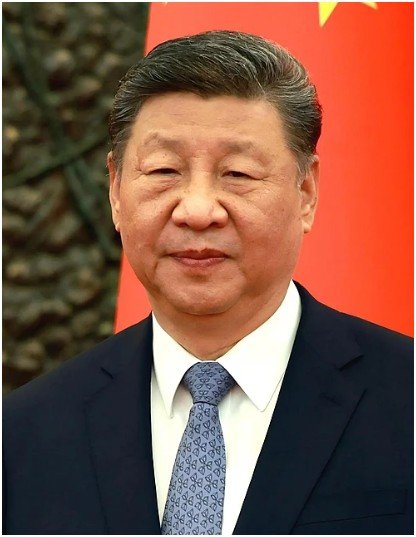
After 2015, the rise of china entered a more strategic phase. Under Xi Jinping, China shifted from volume-driven growth to control over advanced industries. Initiatives like Made in China 2025 pushed innovation to the center of national planning.
I started noticing this shift through products and systems rather than slogans. Electric vehicles, solar panels, wind turbines, 5G infrastructure, AI research, and robotics began carrying a clear “Made in China” signature—not just in assembly, but in design and intellectual property.
By 2025, China dominates supply chains in EV batteries and renewable energy. Seven of the world’s top ten research institutions are now Chinese, reflecting long-term investment in education and applied science.
What does the rise of china look like in hard numbers by 2025?
Seeing the numbers helps ground the story. The rise of china isn’t abstract—it’s measurable.
| Key Indicator (2025 Estimates) | China’s Position |
| Nominal GDP | ~$19.4 trillion (2nd globally) |
| GDP (PPP) | ~$41.0 trillion (1st globally) |
| Foreign Exchange Reserves | ~$3.3 trillion (1st globally) |
| Global Manufacturing Share | ~33% |
| People lifted from extreme poverty | 800+ million |
Figures like these, commonly cited by the International Monetary Fund and the World Bank, explain why China now influences global growth cycles, commodity prices, and investment flows.
How does the rise of china shape everyday life around the world?

I don’t experience the rise of china through policy papers—I experience it through convenience and speed. Affordable electronics, fast renewable energy adoption, cheaper EVs, and smoother global logistics all trace back to Chinese manufacturing efficiency.
Geopolitically, China’s Belt and Road Initiative expanded its influence across Asia, Africa, and Latin America. Infrastructure projects—ports, railways, power grids—changed how entire regions connect to global trade.
Whether you’re shopping online, investing, studying international relations, or running a business, the rise of china already affects your routine, often without calling attention to itself.
What challenges could slow the rise of china going forward?
Despite its scale, China isn’t immune to structural pressure. The rise of china now faces constraints that feel more complex than earlier hurdles.
Economic growth slowed to around 4.8% in 2025, far from the double-digit expansion of past decades. A rapidly aging population and shrinking workforce add long-term strain. Local government debt and instability in the real estate sector—highlighted by the Evergrande crisis—expose financial risks.
International tensions also complicate the picture. Trade restrictions with the United States and disputes over Taiwan and the South China Sea increase uncertainty. I don’t see collapse, but I do see a shift from rapid ascent to careful recalibration.
Why does the rise of china still matter in 2025?
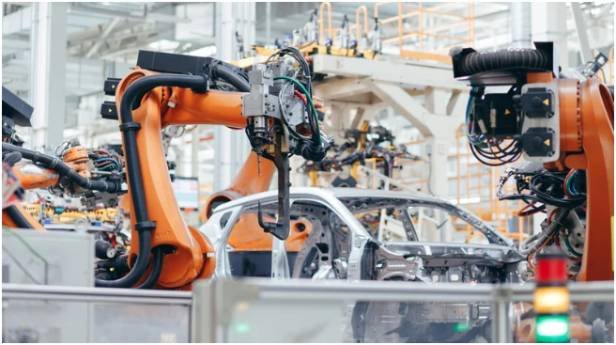
The rise of china matters because it reshaped how power works. Manufacturing strength, technological leadership, and financial reserves now matter as much as military reach. China proved that long-term planning and habit-based growth can rewrite global rankings.
For me, understanding this story creates clarity. It explains why industries evolve faster, why supply chains shift, and why global influence feels more distributed than it did twenty years ago.
FAQs about the rise of china
1. Is the rise of china still continuing in 2025?
Yes, but it has matured. Growth is slower, yet influence is deeper. China focuses more on technology leadership, strategic industries, and global supply chains rather than raw GDP expansion.
2. Why is manufacturing central to the rise of china?
Manufacturing creates leverage. By controlling production and logistics, China shapes pricing, innovation, and availability across industries—from electronics to clean energy.
3. Does the rise of china hurt other economies?
It forces adaptation. Some sectors face competition, while others benefit from lower costs and faster innovation. The impact depends on how countries respond.
4. Can demographics stop the rise of china?
Demographics create pressure, but China counters this through automation, AI, and productivity gains. The outcome depends on how effectively those tools scale.
The rise of china didn’t shout—it stayed consistent
What stands out to me most about the rise of china is how quiet it was. No shortcuts. No overnight miracles. Just relentless consistency—build infrastructure, invest in people, upgrade systems, repeat.
If there’s one insight worth keeping, it’s this: global power shifts don’t arrive with drama. They show up in routines you barely notice until they’re everywhere.
Disclaimer: All images used in this blog are for editorial and informational purposes only. The visuals are either AI-generated or sourced from Wikipedia. They do not represent actual events or endorse any specific brands or individuals. All trademarks, logos, and copyrighted materials belong to their respective owners.