I’ve always been into healthy eating, but I didn’t realize just how much my diet was affecting my gut bacteria until I started paying attention. I used to struggle with digestive issues and just blamed it on “bad luck” or “stress.” But then, I learned how powerful my diet was in shaping my gut health, and let me tell you, once I made some simple changes, everything started to improve.
In this post, I’ll share exactly how diet affects gut bacteria and how I personally turned things around by making a few key dietary changes. If you’re tired of feeling bloated or sluggish and want to know how to boost your gut health, keep reading. I promise you’ll feel the difference!
Why Gut Health Matters
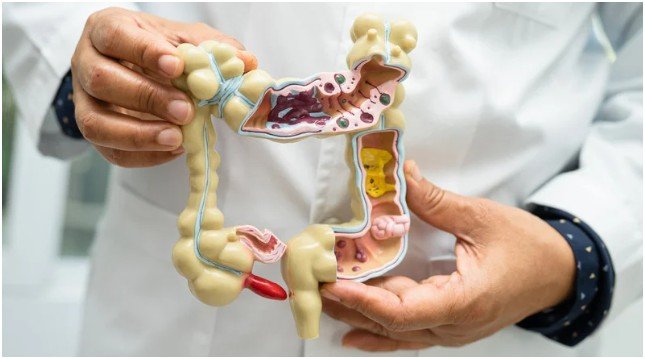
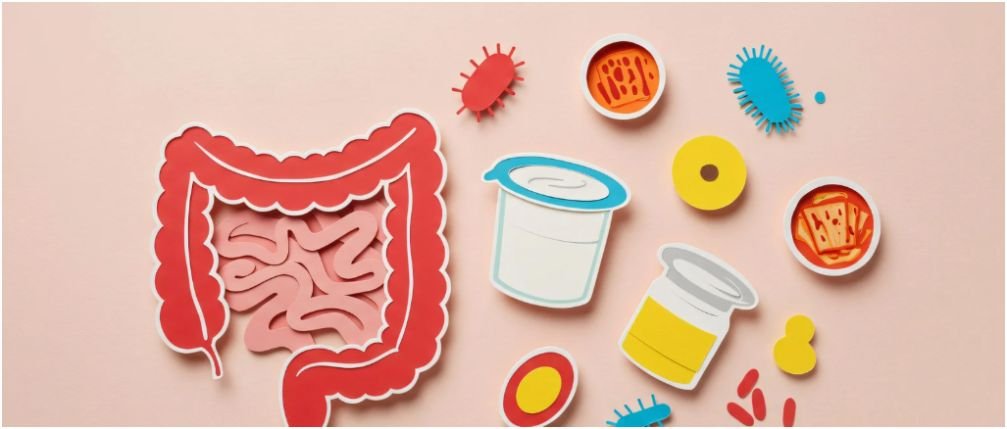
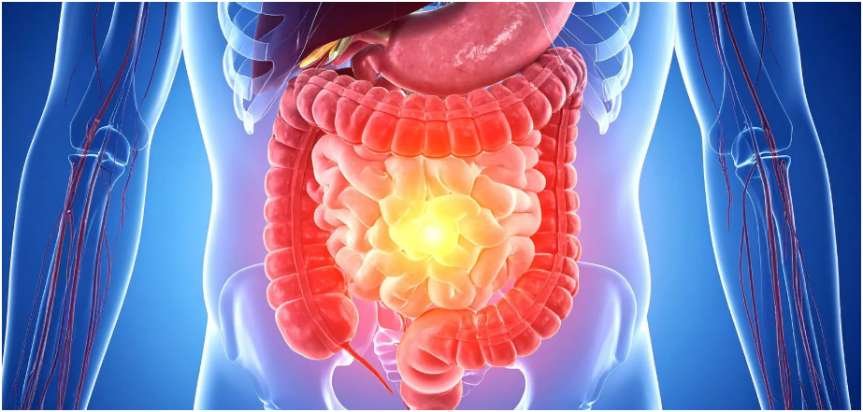
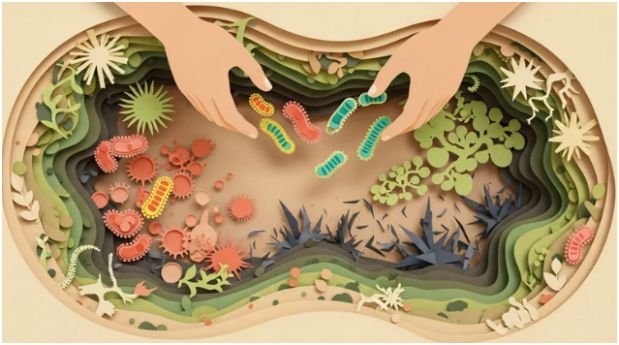
Before I dive into the changes I made, let’s talk about why gut health is so important. The microbes in your gut—your gut microbiome—are essentially the “little helpers” that manage everything from digestion to immunity and even mood. When your gut bacteria are in balance, it makes everything run smoothly. But when that balance is off, it can lead to inflammation, digestive issues, and even affect your immune system.
It wasn’t until I learned how my diet affects my gut bacteria that I realized I could actually take control of this balance. And trust me, I’ve seen the benefits firsthand.
How Does Fiber Really Affect Your Gut Bacteria?

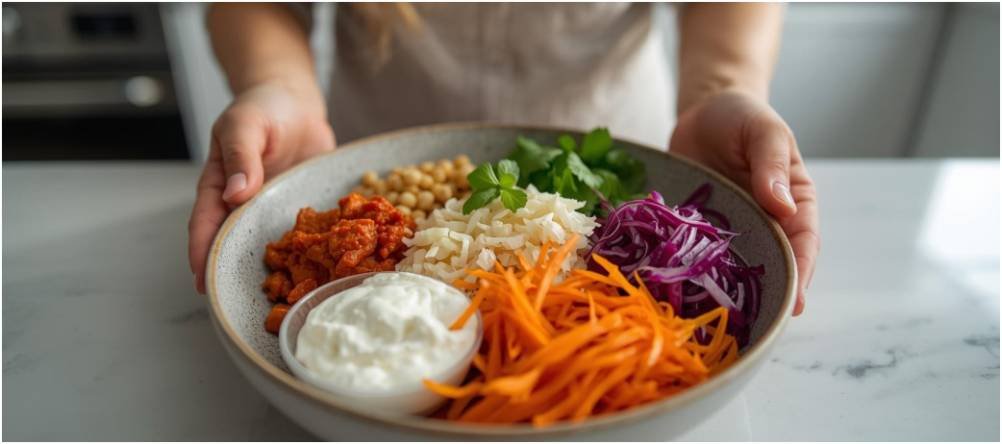
I used to underestimate fiber. I knew it was good for digestion, but I had no idea it was such a powerhouse for gut health. Once I started focusing on fiber-rich foods, like fruits, vegetables, whole grains, and legumes, my gut started to feel so much better.
Fiber acts as food for the good bacteria in your gut, encouraging their growth. These bacteria, like Bifidobacterium and Lactobacillus, produce short-chain fatty acids (SCFAs), like butyrate, which is essential for maintaining a healthy gut barrier and reducing inflammation.
When I added more fiber to my diet, I noticed less bloating, more regular digestion, and even better skin. I realized it wasn’t just about “eating fiber” but choosing the right kind of fiber-rich foods that helped promote a diverse microbiome. Trust me—your gut will thank you for it!
What About Proteins? Do They Really Affect Your Gut?
I’ll be honest—changing my protein sources was one of the easiest and most effective ways I improved my gut health.
I’m a big fan of plant-based proteins, like beans, lentils, and tofu, and I swapped these in for some of the heavier animal proteins I used to eat, like red meat and dairy. Not only did my gut feel better, but my energy levels also skyrocketed.
Plant proteins support beneficial bacteria like Bifidobacterium and Lactobacillus, which help keep inflammation in check and improve digestion.
On the other hand, animal proteins, especially from red meat, can encourage the growth of bacteria that produce TMAO, a compound linked to heart disease. By focusing more on plant-based proteins, I started to feel lighter and noticed less discomfort after meals.
Fats: The Good, The Bad, and The Ugly
I used to eat whatever fats I wanted, not really thinking about how they were affecting my gut. But after learning how healthy fats and unhealthy fats affect gut bacteria, I made some major changes.
Healthy fats, like omega-3s from fish and monounsaturated fats from olive oil, have anti-inflammatory effects and support the growth of beneficial bacteria. I started incorporating more of these fats into my meals, and my digestion felt smoother.
On the flip side, saturated fats (found in processed foods) can harm your gut by reducing bacterial diversity and promoting the growth of harmful bacteria. Once I cut back on saturated fats and processed snacks, I felt less bloated and more energized. I can’t believe how much of a difference it made—my gut started working like a well-oiled machine!
How Simple Sugars and Additives Affected My Gut
I have a bit of a sweet tooth, so cutting back on refined sugars was hard for me. But once I did, I could tell my gut was happier. Too much sugar feeds harmful bacteria and can lead to dysbiosis, an imbalance that results in inflammation.
I replaced sugary snacks with whole fruits and dark chocolate (yay, antioxidants!) and noticed an improvement in my energy levels and digestion.
I also started paying attention to food additives—like artificial sweeteners and emulsifiers (found in a lot of processed foods). These additives can disrupt the protective mucus layer in your gut and promote inflammation. By swapping processed foods for whole, natural options, my gut started feeling way less “off.”
My Step-By-Step Guide to Boosting Gut Health
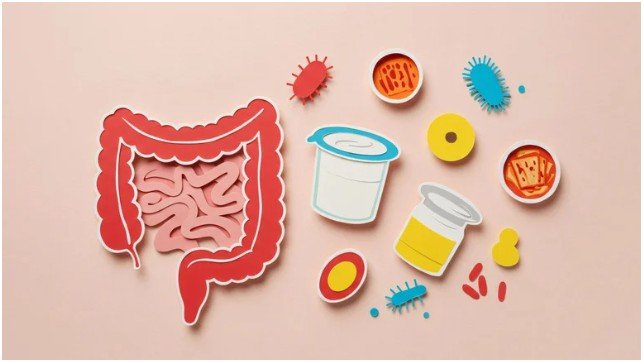
If you’re ready to optimize your gut health, here’s how I did it. You can follow these steps to start feeling better, too:
Step 1: Eat More Fiber
- Add fruits, vegetables, whole grains, and legumes to your meals. These fiber-rich foods feed your good bacteria and help keep things running smoothly.
Step 2: Choose Plant-Based Proteins
- Incorporate beans, lentils, and tofu into your diet. These plant proteins support gut health and help maintain balance in your microbiome.
Step 3: Include Healthy Fats
- Swap saturated fats for healthy fats like olive oil, avocados, and oily fish. These fats reduce inflammation and promote beneficial bacteria growth.
Step 4: Cut Back on Sugar and Additives
- Say goodbye to processed, sugary snacks and replace them with whole fruits or dark chocolate. Avoid artificial sweeteners and food additives that can disrupt your gut.
Step 5: Focus on Fermented Foods
- Add yogurt, kimchi, or sauerkraut to your meals. These fermented foods are full of probiotics that help support a healthy gut microbiome.
FAQs About How Diet Affects Gut Bacteria
1. How long will it take for my gut to improve?
You’ll likely start noticing some changes in just 24 to 48 hours after making dietary changes. However, long-term improvements can take several weeks or months as your gut microbiome adjusts.
2. Does cutting out sugar really help my gut?
Yes! High sugar intake can promote harmful bacteria growth and disrupt the balance in your gut. Reducing sugar helps support the growth of beneficial bacteria, improving gut health over time.
3. Can I boost my gut health with probiotics alone?
Probiotics can help, but diet is key to fostering a healthy gut microbiome. Eating a variety of fiber-rich foods and fermented products will provide long-lasting benefits that probiotics alone can’t match.
Gut Health: My Personal Takeaway
Looking after my gut health wasn’t just about eating the right foods—it was about choosing foods that worked for my body. I noticed that small dietary shifts had a big impact on my digestion, energy, and overall well-being.
If you’re struggling with bloating, inflammation, or just want to improve your gut health, I highly recommend focusing on fiber-rich foods, plant-based proteins, and healthy fats. Your gut will thank you!
Taking care of your gut is the ultimate act of self-care. The more I’ve learned about my microbiome, the more I realize how powerful food really is in shaping my health. So, go ahead—start making those small changes and watch your gut health thrive!