
I see it every day in my own routine: work no longer feels like endless execution. In 2025, How Generative AI Is Changing Daily Work comes down to one simple shift—I spend less time doing and more time deciding. AI handles the heavy lifting, while I focus on judgment, creativity, and direction.
Instead of starting from scratch, I start from a draft. Instead of chasing admin tasks, I guide systems that already know what needs to happen. My workday feels lighter, faster, and honestly more human. If you’re using generative AI even a little, you’re probably feeling this shift too.
How is Generative AI changing my everyday work routine?

My day now starts with AI already one step ahead. Emails come pre-drafted, meetings show up with clean summaries, and task lists appear without me writing a single note. I still stay in control, but I no longer waste energy on setup work that drains momentum.
I use AI like a quiet coworker who never forgets context. I ask questions in plain language and get answers pulled from huge datasets in seconds. That alone changes how I pace my day. I move from task to task without friction, which keeps my focus sharp.
What surprises me most is how calm work feels. When AI handles scheduling, documentation, and first drafts, my brain stays available for thinking. That shift alone explains why How Generative AI Is Changing Daily Work feels so personal and practical.
Why does work feel more like editing than creating now?
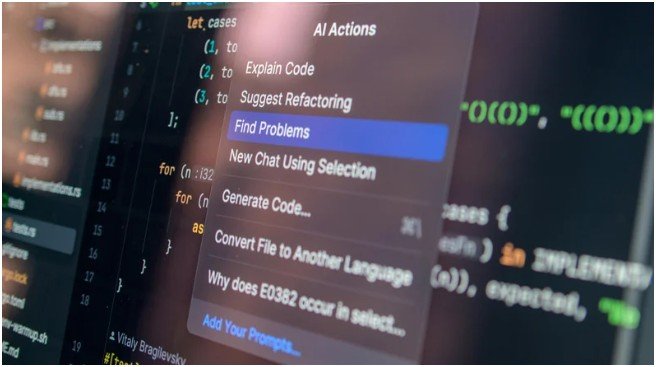
I rarely face a blank page anymore. AI gives me a solid starting point—whether I’m writing, analyzing data, or outlining ideas. My role becomes editor, not author, and that’s a huge upgrade in energy and quality.
Editing forces clarity. I spend time refining tone, checking facts, and aligning output with real goals. That work uses judgment and experience, not repetition. I feel more confident delivering final results because I shaped them, not rushed them.
This editor mindset also reduces burnout. I finish tasks faster without lowering standards. That’s the quiet power behind How Generative AI Is Changing Daily Work—it removes friction without removing responsibility.
What does “human–AI collaboration” actually look like in real life?
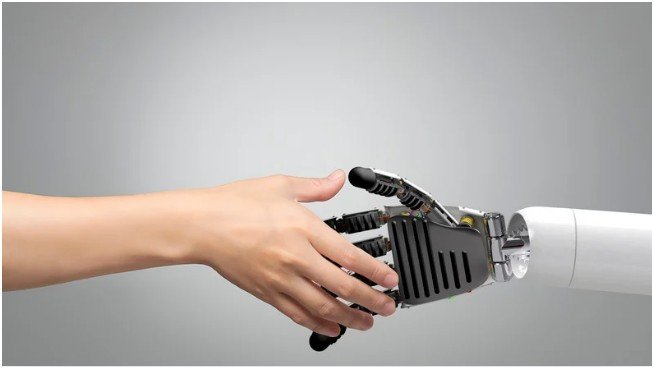
For me, collaboration means giving direction, not micromanaging. I tell AI what outcome I want, review what it produces, and adjust until it fits. That loop feels natural once you build the habit.
AI doesn’t replace thinking—it challenges it. I question outputs, spot gaps, and apply context AI doesn’t have. My experience still matters, especially when decisions affect people, ethics, or strategy.
This partnership also sharpens my human skills. Communication, empathy, and judgment matter more than ever. Ironically, AI makes work feel more human by removing the mechanical parts of my day.
How is Generative AI changing work across different industries?
Different fields feel the shift in different ways, but the pattern stays the same. AI accelerates execution while humans steer outcomes. Creative teams prototype faster. Developers focus on architecture instead of boilerplate code. Finance teams get instant forecasts instead of wrestling spreadsheets.
Here’s a simple snapshot of what I see happening across industries:
| Industry | How Generative AI Supports Daily Work |
| Creative & Media | Rapid prototyping and asset variations that save days of effort |
| Sales & Marketing | Personalized pitches and automated content optimization |
| Software Development | Faster debugging and cleaner system design |
| Healthcare | Summarized patient histories and streamlined documentation |
| Finance | Automated reporting and sharper predictive budgeting |
Across the board, how generative AI is changing daily work comes down to speed plus clarity.
Which skills actually matter now that AI handles the basics?
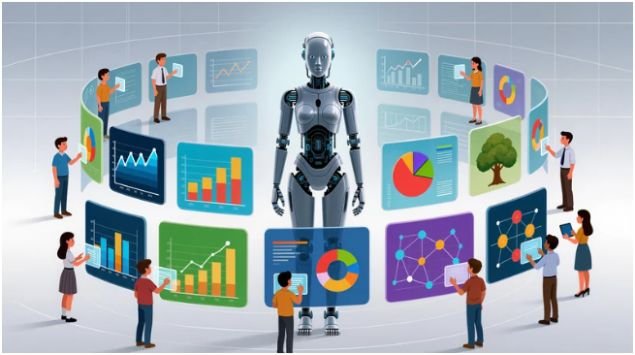
I no longer worry about memorizing tools. I focus on asking better questions. Prompting AI clearly saves more time than any technical shortcut I’ve learned.
Interpreting output matters just as much. I check for bias, accuracy, and relevance before trusting results. That habit protects quality and builds confidence in AI-assisted work.
Human skills matter more than ever. Empathy, ethics, and strategic thinking can’t be automated. AI amplifies these traits when you use it intentionally. That’s why learning to collaborate beats learning to compete.
Why are companies struggling while workers move fast?

I notice a gap between how fast individuals adopt AI and how slowly organizations react. Many people already use AI daily, often without formal approval or guidance.
Leadership hesitates because of security, trust, and governance concerns. Those fears make sense, but ignoring reality creates risk too. Workers won’t stop using tools that make life easier.
The smartest teams I see set clear boundaries, use private AI systems, and train people properly. That balance turns How Generative AI Is Changing Daily Work into an advantage instead of a liability.
Frequently Asked Questions
1. Is Generative AI replacing jobs or changing them?
From my experience, AI changes jobs far more than it replaces them. Routine tasks disappear, but higher-level responsibilities grow. I spend more time thinking, reviewing, and deciding. That shift rewards adaptability, not automation fear.
2. Do I need technical skills to work with AI?
Not really. Clear communication matters more than coding. If you can explain what you want and evaluate the result, you can work effectively with AI. That’s why so many non-technical roles thrive with it.
3. Can AI outputs be trusted for daily work?
I trust AI as a starting point, not a final authority. I always review outputs for accuracy and context. That habit keeps quality high and prevents overreliance.
4. How can I start using AI without feeling overwhelmed?
I suggest starting with one habit. Use AI for meeting summaries or drafting emails first. Once that feels natural, expand slowly. Small wins build confidence fast.
So… is AI stealing my job or saving my sanity?
Here’s my honest take: AI saves my sanity. How Generative AI Is Changing Daily Work feels less like disruption and more like relief. My days feel intentional instead of reactive.
My best tip is simple—treat AI like a junior teammate. Give clear direction, review carefully, and keep ownership of decisions. When you lead the tool instead of fearing it, work finally feels aligned with how humans actually think.