
As I’ve gotten older, I’ve become increasingly aware of the importance of protecting my brain health. Alzheimer’s disease (AD) is one of the most common neurodegenerative diseases, but the good news is that we can reduce the risk with the right lifestyle choices.
One of the most effective ways to keep your brain sharp as you age is through diet. Research shows that certain dietary patterns—specifically the MIND Diet, Mediterranean Diet, and DASH Diet—are linked to a lower risk of Alzheimer’s.
These diets emphasize brain-boosting foods and limit those that can promote inflammation and cognitive decline. Here, I’ll break down these three dietary patterns and share practical tips on how to incorporate them into your daily routine.
What Are the Best Dietary Patterns to Reduce Alzheimer Risk?
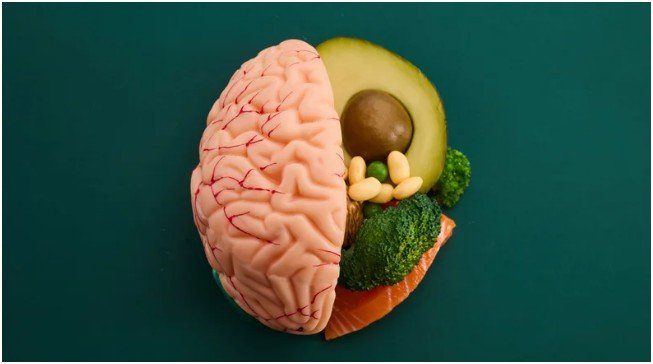
I’ve always believed that food is medicine, and recent research supports that idea, especially when it comes to Alzheimer’s.
The most studied and recommended dietary patterns for Alzheimer’s prevention are the MIND Diet, the Mediterranean Diet (MeDi), and the DASH Diet.
They all emphasize plant-rich, nutrient-dense foods that are packed with antioxidants, healthy fats, and anti-inflammatory properties—key players in the fight against Alzheimer’s.
The MIND Diet: Your Brain’s Best Friend
The MIND Diet (Mediterranean-DASH Intervention for Neurodegenerative Delay) is a combination of the Mediterranean and DASH diets, specifically designed to promote brain health.
Research has shown that following the MIND Diet can reduce the risk of Alzheimer’s by up to 53% with high adherence and 35% with moderate adherence.
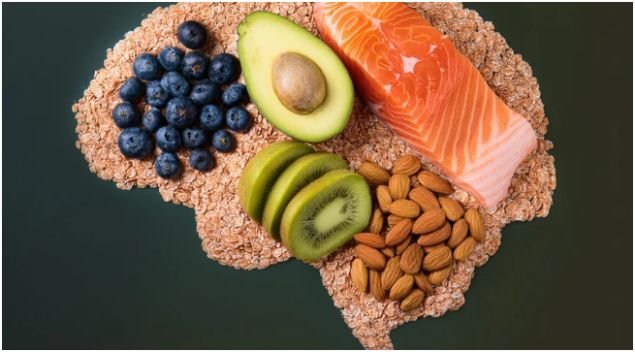
- What to eat: Leafy greens, berries (especially blueberries and strawberries), nuts, olive oil, and fatty fish.
- How it works: These foods are rich in nutrients that fight inflammation and oxidative stress, which are two key factors contributing to Alzheimer’s. Leafy greens like spinach and kale are packed with folate, while berries are rich in flavonoids, which have been shown to improve memory and reduce cognitive decline.
The Mediterranean Diet: Brain-Boosting, Heart-Healthy, and Delicious
When it comes to long-term health, the Mediterranean Diet has always been the gold standard.
This diet is based on traditional eating patterns from countries bordering the Mediterranean Sea, and studies show it can reduce the risk of Alzheimer’s by 30%.
It’s not just about what you eat, but how you eat it—taking time to enjoy meals with loved ones.
- What to eat: Fresh fruits, vegetables, legumes, whole grains, fish (especially fatty fish like salmon), and extra virgin olive oil.
- How it works: Rich in antioxidants, healthy fats, and fiber, the Mediterranean Diet not only improves brain health but also supports heart health, which is crucial because heart disease and Alzheimer’s often go hand in hand.
DASH Diet: Lower Blood Pressure, Protect Your Brain
The DASH Diet (Dietary Approaches to Stop Hypertension) was originally designed to reduce hypertension, but its benefits extend to brain health as well.
Research has shown that adherence to the DASH Diet is linked to slower cognitive decline, especially when paired with regular physical activity.
- What to eat: Low-fat dairy, fruits, vegetables, whole grains, and lean protein sources like poultry and fish.
- How it works: By focusing on reducing sodium, limiting red meat, and cutting back on unhealthy fats, the DASH Diet helps lower blood pressure. High blood pressure is a major risk factor for Alzheimer’s, and by controlling it, the DASH Diet can protect against cognitive decline.
How Can I Incorporate These Dietary Patterns Into My Routine?
Adopting these dietary patterns doesn’t have to be complicated. I’ve found that making small, manageable changes each day can make a big difference in brain health. Here’s a simple guide to get you started:
Start Your Day with Brain-Boosting Breakfasts
For breakfast, I always make sure to include whole grains like oats or quinoa. These are rich in fiber and help keep your energy steady throughout the day. I top it off with some berries—either blueberries or strawberries—both of which are rich in antioxidants.
Sometimes, I add a handful of nuts, such as walnuts, which are packed with omega-3s. The combination of these ingredients supports brain function and provides lasting energy.
Snack on the Right Foods
Instead of reaching for processed snacks, I snack on nuts and seeds. They’re not only packed with healthy fats, but they’re also great for controlling hunger and maintaining stable blood sugar levels.
I also make sure to drink plenty of water—hydration is key for brain function. Studies suggest that staying hydrated can help reduce brain atrophy associated with aging.
Make Your Meals Colorful and Nutritious
For lunch and dinner, I fill half of my plate with vegetables like spinach, kale, and broccoli. These leafy greens are rich in folate and vitamin K, which have been linked to cognitive health.
I pair them with a serving of fatty fish like salmon or tuna, which provide omega-3 fatty acids essential for brain health. I use olive oil as my primary cooking fat, and it’s my go-to for drizzling over salads or roasted veggies.
Don’t Forget the Healthy Fats
Incorporating healthy fats into your diet is crucial for brain health. I’ve made olive oil and avocados staples in my diet.
Healthy fats support brain function and reduce inflammation, which is key in protecting the brain against Alzheimer’s.
FAQ: Your Questions About Alzheimer’s Risk Reduction
Q1: Can a specific food really reduce Alzheimer’s risk?
Yes! Certain foods are rich in neuroprotective nutrients, like berries (rich in flavonoids) and leafy greens (full of folate), which have been shown to support cognitive health and reduce Alzheimer’s risk. Incorporating these into your diet can significantly help protect your brain.
Q2: Is it enough to just follow the MIND Diet for Alzheimer’s prevention?
While following the MIND Diet can dramatically reduce the risk of Alzheimer’s, it’s important to take a holistic approach. This includes regular physical activity, maintaining a healthy weight, staying socially engaged, and managing stress.
Q3: How does the DASH Diet help with brain health?
The DASH Diet primarily targets blood pressure control, which is a major risk factor for Alzheimer’s. By reducing sodium, increasing potassium, and focusing on healthy fats, the DASH Diet improves cardiovascular health, which in turn supports brain function and reduces the risk of cognitive decline.
Q4: Can I make these changes gradually, or do I need to go all-in?
Start slow! You don’t need to make drastic changes all at once. Even small steps, like adding more leafy greens or switching to olive oil, can significantly improve brain health over time. Make the changes that work for your lifestyle, and build from there.
Protect Your Brain, One Meal at a Time
It’s easy to be overwhelmed by the idea of drastically changing your diet, but let’s keep it simple. The key to reducing Alzheimer’s risk lies in making small, consistent changes to what we eat every day.
Add leafy greens, eat more berries, swap unhealthy fats for healthy fats, and drink plenty of water—these habits will support your brain health.
You don’t need to be perfect, but by following the MIND, Mediterranean, or DASH diets, you’re giving your brain the best chance to thrive as you age.
Pro Tip: Consistency is key! Focus on adding nutrient-rich foods gradually, and soon these brain-boosting habits will feel just like second nature.