When I first decided to get serious about my gut health, I wasn’t sure where to begin. All the advice seemed a little overwhelming, but what I quickly realized was that gut health doesn’t have to be complicated.
I’ve learned that by focusing on fiber, probiotics, and hydration, I could make simple yet impactful changes. Now, I want to share with you my personal experience and the diet plan that helped me get started.
What Does a Gut Health Diet Plan for Beginners Actually Look Like?

A gut health diet plan for beginners isn’t about doing extreme cleanses or restricting yourself from everything you love.
It’s about introducing nutrient-dense, gut-friendly foods into your daily routine and making sure you balance things out with fiber, hydration, and probiotics.
From my own experience, it’s important to start slow and make gradual changes, so your digestive system can adjust without feeling overwhelmed. Trust me, this is a marathon, not a sprint.
When I first started, I focused on three key principles that have made all the difference in my gut health journey:
- Prioritize Fiber: Fiber is your gut’s best friend. It feeds the beneficial bacteria in your microbiome and helps regulate digestion. By aiming for 25–38 grams of fiber a day, I felt more energetic and experienced fewer bloating issues.
- Introduce Probiotics: Probiotics are the “good” bacteria that keep your gut flora in balance. I didn’t need to buy fancy supplements; simple fermented foods like yogurt, kefir, and kimchi became my daily go-tos.
- Stay Hydrated: I’ve learned that water is just as important as food. Drinking 8–10 glasses of water a day keeps things moving in your digestive tract and helps prevent constipation.
How to Start Your Gut Health Diet Plan for Beginners
If you’re ready to dive in, I’ve got you covered with a simple, actionable 7-day gut health meal plan that I personally tried. It’s easy to follow and filled with nutrient-packed, gut-friendly foods.
Day 1: Kickstart Your Day with Probiotics
- Breakfast: Greek yogurt with mixed berries and flaxseeds
- Lunch: Turkey wraps with sauerkraut (hello, probiotics!)
- Dinner: Grilled salmon with quinoa and roasted vegetables
- Snack: Apple slices with almond butter
Day 2: Get Creative with Fermented Foods
- Breakfast: Overnight oats with chia seeds and banana
- Lunch: Tofu stir-fry with brown rice and veggies
- Dinner: Baked mackerel with garlic roasted vegetables
- Snack: Carrot sticks with hummus
Day 3: Introduce More Fiber
- Breakfast: Kefir smoothie with spinach and flaxseeds
- Lunch: Chickpea salad with olive oil dressing
- Dinner: Lentil soup with whole-grain bread
- Snack: A handful of walnuts
Each day builds on adding gut-friendly foods in easy-to-prepare meals. The key here is consistency. I didn’t go all in overnight, but as I gradually increased my fiber and fermented foods, I started feeling lighter and more energized.
Why Is Fiber So Important for Gut Health?
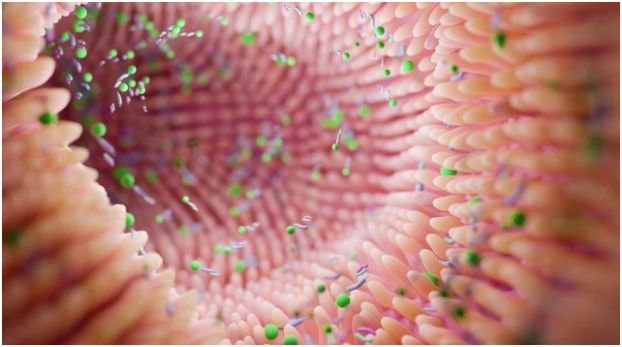
I used to think fiber was just something you ate to stay “regular.” But after diving into the research (and experiencing it firsthand), I realized fiber does so much more for your gut. It feeds the good bacteria, which in turn helps with digestion and keeps the gut lining healthy.
Plus, fiber helps to balance blood sugar levels and keep you feeling fuller for longer. Over time, I noticed less bloating and more consistent energy levels.
The fiber-packed foods I added to my diet included beans, leafy greens, oats, and whole grains, which provided the necessary fuel for my gut.
Can Probiotics Really Help?

I’ll admit, I was a little skeptical about the power of probiotics at first. I had always heard about them but wasn’t sure if I needed them. That changed once I started incorporating fermented foods like kimchi, sauerkraut, and kefir into my meals.
Fermented foods are packed with beneficial bacteria that promote gut health, and after about a week of eating them daily, I noticed my digestion was much smoother, and I felt less sluggish.
If you’re new to probiotics, start slow like I did. I began with a serving of kefir or yogurt at breakfast and eventually added more fermented foods throughout the day. The idea is to introduce beneficial bacteria into your gut to maintain a healthy balance.
FAQ: Your Gut Health Diet Questions Answered
1. How fast will I see improvements in my gut health?
It varies from person to person, but from my experience, I started feeling better within a week. Initially, I noticed less bloating and better digestion. However, for long-term benefits, give yourself a few weeks of consistently following the diet plan.
2. Do I need to take supplements for gut health?
While supplements can help, they’re not necessary for everyone. I didn’t start taking any probiotics supplements initially. Instead, I focused on whole foods like yogurt, kefir, and fermented vegetables, and that was enough to get things moving in the right direction.
3. Can I follow this diet if I have food sensitivities?
Yes, absolutely! One of the best parts of this diet is its flexibility. If you have food sensitivities, simply swap out ingredients. For example, I used dairy-free kefir and almond milk yogurt when I was adjusting to the plan.
4. Can I still eat processed foods?
I’ve learned that cutting down on processed foods made a huge difference. While it’s fine to indulge occasionally, minimizing ultra-processed foods and sugars gives your gut the best chance to thrive.
The Power of Small, Consistent Changes
Gut health is a journey, not a destination. I’ve learned that even the smallest changes can have a big impact on how you feel. Start with a simple gut health diet plan for beginners, focus on fiber, probiotics, and hydration, and be patient with yourself. Trust me, your gut will thank you.
One last tip from me: Keep it simple. This isn’t about perfection; it’s about progress. Small, consistent changes, like adding a probiotic-rich smoothie or more fiber to your meals, can lead to lasting improvements. Stick with it, and soon you’ll be feeling your best.