
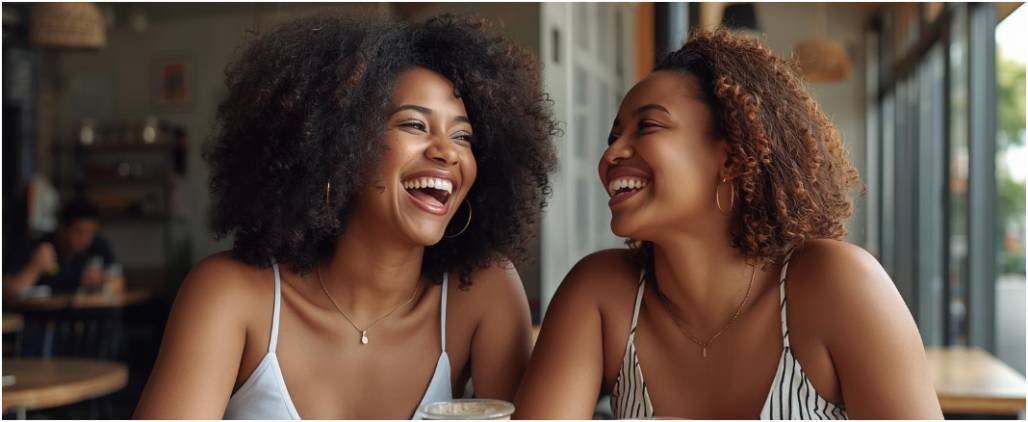
I’ve learned that the beauty of interracial friendships love respect and a sense of humour shows up most clearly in everyday life. Not in grand speeches or viral moments, but in small routines—texting after a rough day, sharing jokes that only make sense to the two of you, or sitting across a table talking honestly about the world.
These friendships don’t magically happen. They grow through intention, consistency, and openness. When they do, they quietly challenge bias, expand perspective, and make life richer in ways that feel real and lasting.
Why does the beauty of interracial friendships love respect and a sense of humour feel so powerful?

What makes these friendships stand out is how human they feel. I don’t experience them as “interracial” in daily moments—I experience them as honest connections built on care, trust, and mutual effort. Race exists, but it doesn’t dominate the friendship. Respect keeps the balance.
Humour plays a bigger role than people realize. Shared laughter lowers walls quickly. It turns unfamiliar moments into comfortable ones and helps tough conversations feel less intimidating. I’ve noticed that humour often becomes the bridge when words feel heavy or emotions feel complex.
How do love and emotional safety shape interracial friendships?
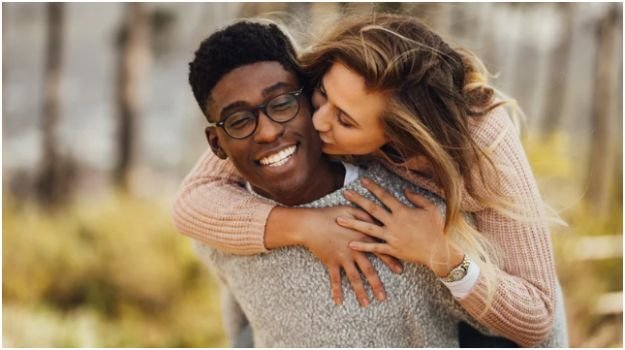
Love in friendships shows up through consistency. I see it when friends check in without being asked or sit with me during uncomfortable life moments. In interracial friendships, that support carries extra weight because it signals trust beyond surface-level differences.
Emotional safety grows when both people feel free to be themselves without explaining or defending their identity. That safety doesn’t appear overnight. It forms when listening becomes a habit and empathy becomes automatic rather than forced.
What does real respect look like in interracial friendships?
Respect means I don’t assume I already understand someone’s experience. I stay curious. I listen fully, even when the perspective challenges my own comfort. Respect shows up when conversations stay open instead of defensive.
I’ve learned that disagreement doesn’t weaken interracial friendships—it strengthens them when handled honestly. Mutual respect allows space for growth without turning difference into distance. That balance keeps the friendship grounded and genuine.
How does a shared sense of humour break down barriers?
Humour softens conversations that might otherwise feel tense. I’ve seen how a well-timed joke can turn a serious discussion into a productive one instead of an awkward one. Laughter reminds everyone involved that connection comes first.
Shared humour also builds rhythm. Inside jokes, playful teasing, and everyday laughter create familiarity. Over time, humour stops being a tool and becomes a language that both people speak naturally.
How do interracial friendships challenge stereotypes in daily life?

Stereotypes fade when individuals take center stage. I don’t relate to a category—I relate to a person. Over time, that personal connection rewires how the brain responds to assumptions learned from society.
These friendships quietly undo bias by replacing generalizations with lived experiences. They don’t lecture or shame. They simply show what’s possible when people choose curiosity over fear.
What personal growth comes from interracial friendships?
I’ve grown more self-aware through these friendships. They’ve pushed me to reflect on my own blind spots without feeling attacked. Growth happens because trust already exists.
Exposure to different backgrounds builds emotional intelligence. I notice I communicate more thoughtfully and listen more actively. That growth spills into other areas of life—work, family, and community.
How-To: Build strong interracial friendships in everyday life
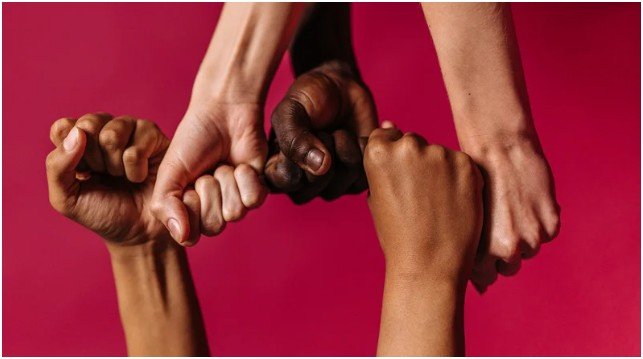
Step 1: Be intentional about connection
I don’t wait for friendships to form accidentally. I say yes to invitations, join shared-interest spaces, and stay open to people who don’t mirror my background. Intentionality creates opportunity.
Step 2: Practice listening as a routine
I treat listening like a daily habit, not a special skill. I ask questions without trying to fix or explain. I let silence exist. That consistency builds trust over time.
Step 3: Use humour to create comfort
I allow laughter to exist naturally. I don’t overthink jokes or worry about perfection. Shared humour creates ease, especially early on, and keeps conversations human.
Step 4: Address discomfort instead of avoiding it
When awkward moments happen, I acknowledge them calmly. Avoidance creates distance. Honest conversation keeps the friendship grounded and resilient.
How do interracial friendships strengthen communities?
When people model genuine connection, others notice. These friendships show what inclusion looks like in practice, not theory. They normalize diversity without forcing it.
Communities grow stronger when relationships cross social lines naturally. Interracial friendships act as quiet proof that unity doesn’t require sameness.
FAQs
1. Are interracial friendships harder to maintain than other friendships?
They can require more awareness, especially early on, but they don’t need to feel exhausting. I’ve found that once trust forms, maintenance looks the same as any strong friendship—communication, effort, and consistency. The key difference lies in being open to learning and unlearning along the way, which actually deepens the bond instead of complicating it.
2. How do you talk about race without making things uncomfortable?
I focus on timing and tone. I don’t force heavy conversations, but I don’t avoid them either. I speak honestly, listen carefully, and let curiosity guide the discussion. When humour and trust already exist, these conversations feel less like debates and more like shared understanding.
3. What if cultural differences cause misunderstandings?
Misunderstandings happen in every friendship. I address them early and calmly instead of letting assumptions grow. Most issues resolve quickly when both people prioritize respect over being right. That approach strengthens the friendship instead of weakening it.
4. Can interracial friendships really reduce bias?
Yes, because they replace abstraction with real connection. It’s harder to hold onto stereotypes when you care deeply about someone who disproves them daily. That shift happens quietly but powerfully over time.
So yeah, friendship really does look better in full colour
The truth is simple—the beauty of interracial friendships, love, respect, and a sense of humour shows me what connection can look like when people stay open and human. These friendships don’t erase differences; they honor them without letting them divide.
My personal tip? Treat curiosity like a daily habit. Ask, listen, laugh often, and let friendship grow naturally. The reward always feels bigger than the effort.